


Your health, your choices, your care.
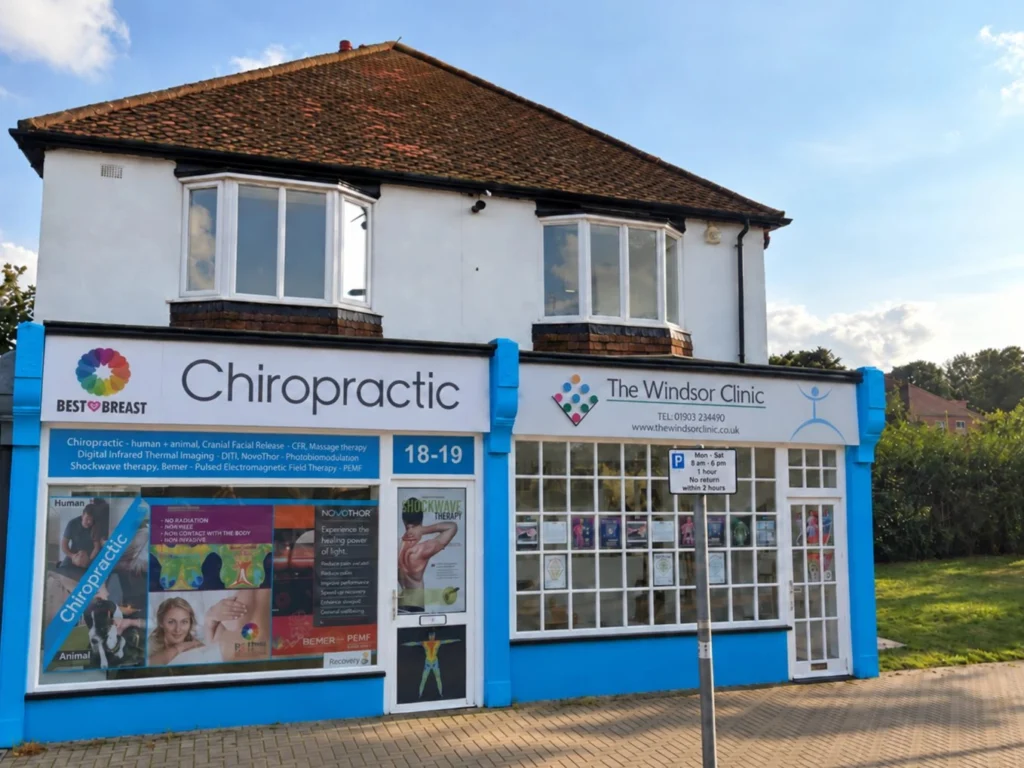
Chiropractic and wellness care in Worthing with Dr Jeffrey McTavish DC, alongside other complementary therapies. Time to listen, explain your options and plan your next step together.
- GCC-registered General Chiropractic Council
- 27+ years Practising since 1999
-
Working with


01 What Chiropractic is
Mechanical, not mystical.
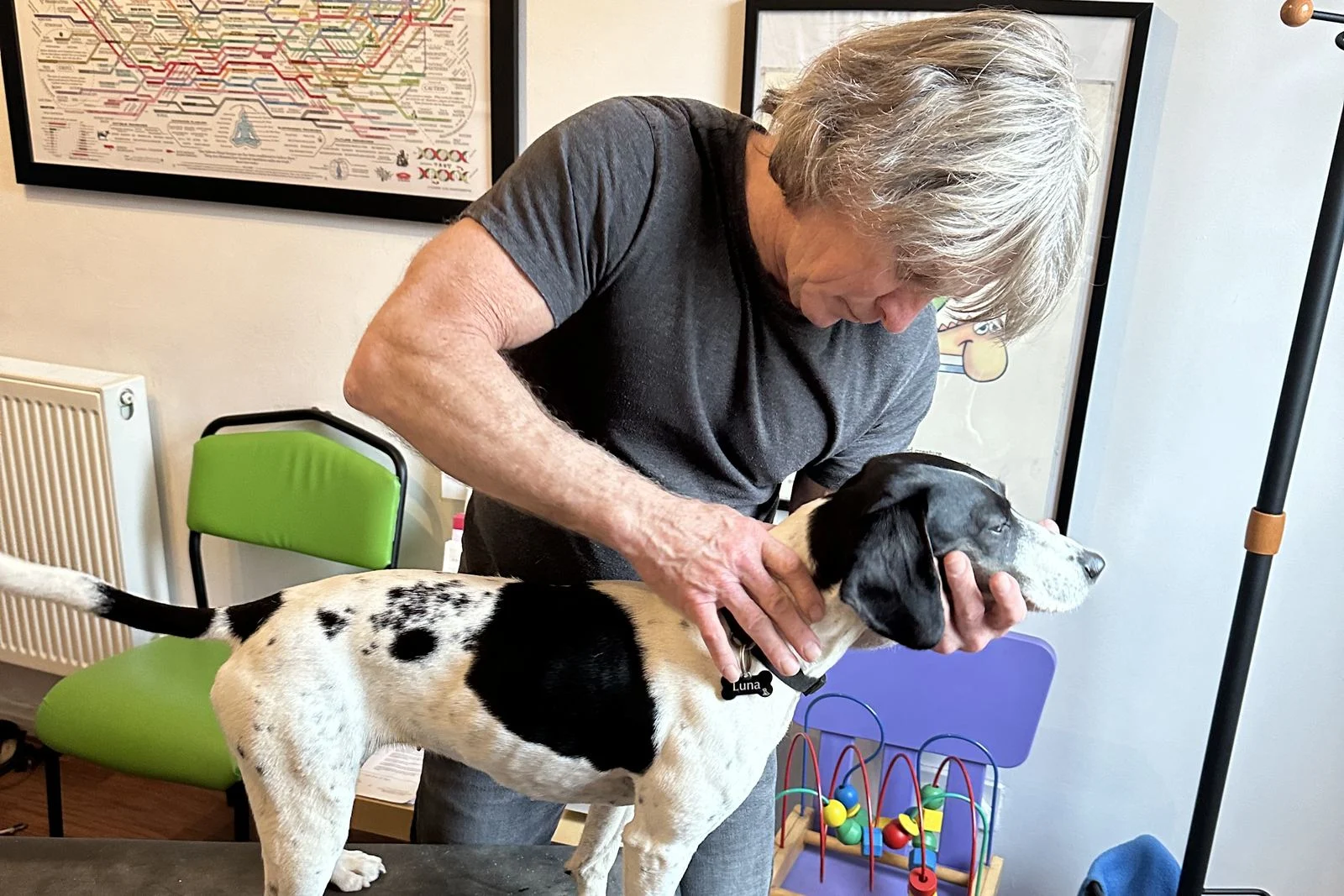
Chiropractic is a hands-on approach to musculoskeletal care, focused particularly on the joints, movement and the spine. No drugs, no surgery, and no claim to treat things it cannot.
- What it treats
- Back and neck pain, joint and disc problems, headaches, sciatica, sports and repetitive-strain injuries. Most of what comes through the door is a joint that has stopped moving the way it should, and a body that has quietly reorganised itself around the problem.
- What an adjustment actually does
- When a spinal joint loses its normal range of movement, the muscle around it guards, the segment stiffens further, and the nerves passing through it get irritated. An adjustment is a quick, controlled, low-force movement applied to that specific joint to restore what it has lost. The click you sometimes hear is gas releasing inside the joint capsule, not bone, and nothing breaking.
- Will it hurt?
- For most people, no. The common description is relief rather than pain, occasionally followed by a day of mild soreness of the kind that follows any new movement.
- Is it safe?
- It is non-invasive and drug-free, and serious adverse events are rare. Anything we find that is not ours to treat gets referred on rather than adjusted.
Chiropractors are state-regulated by the General Chiropractic Council, the same statutory footing as GPs and dentists. In the UK, nobody may call themselves a chiropractor without being on that register.
Read the full FAQInteractive anatomy
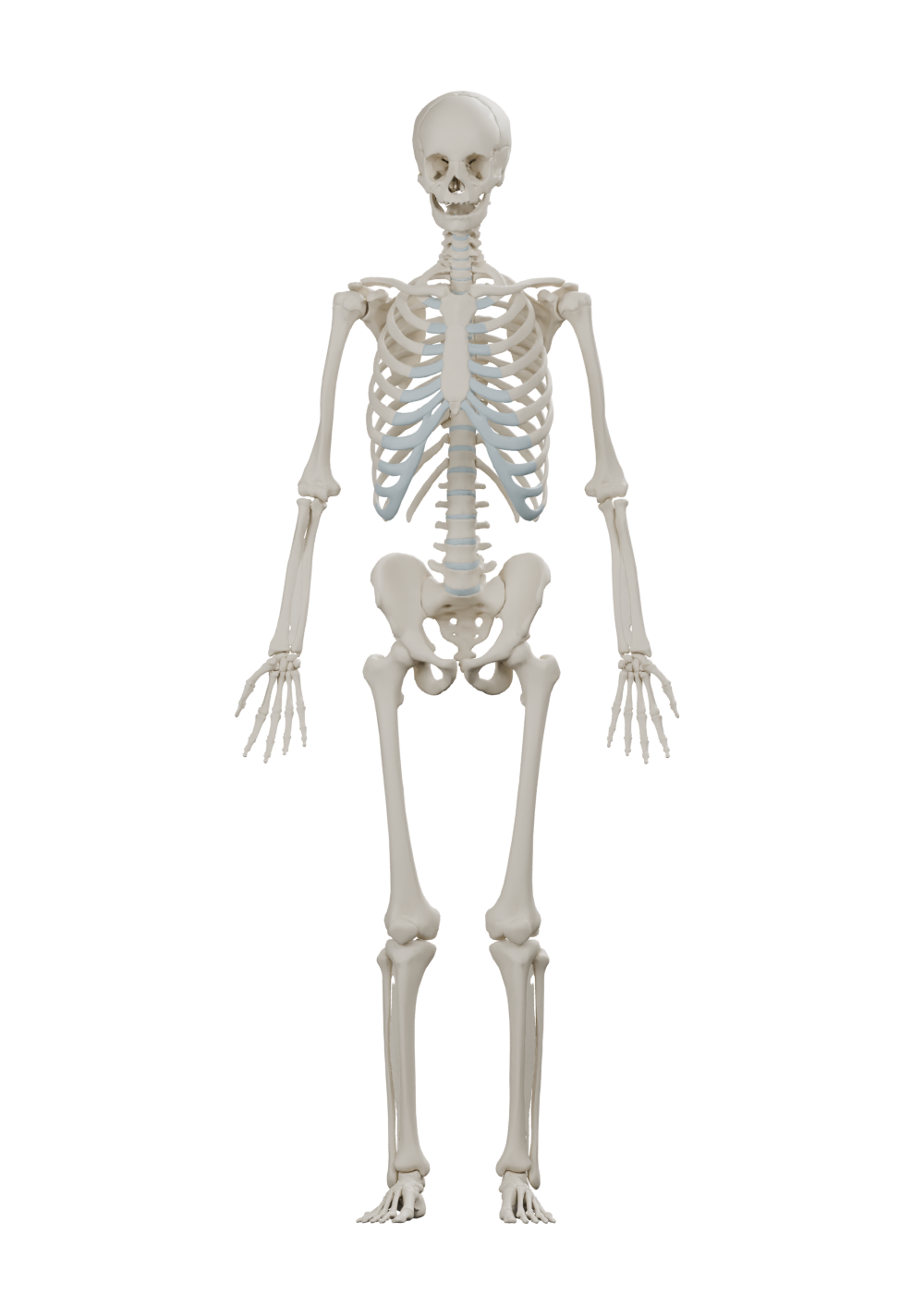
Built for movement.
A closer look beneath the surface.
02 Six therapies, one building
Personal care.
More possibilities.
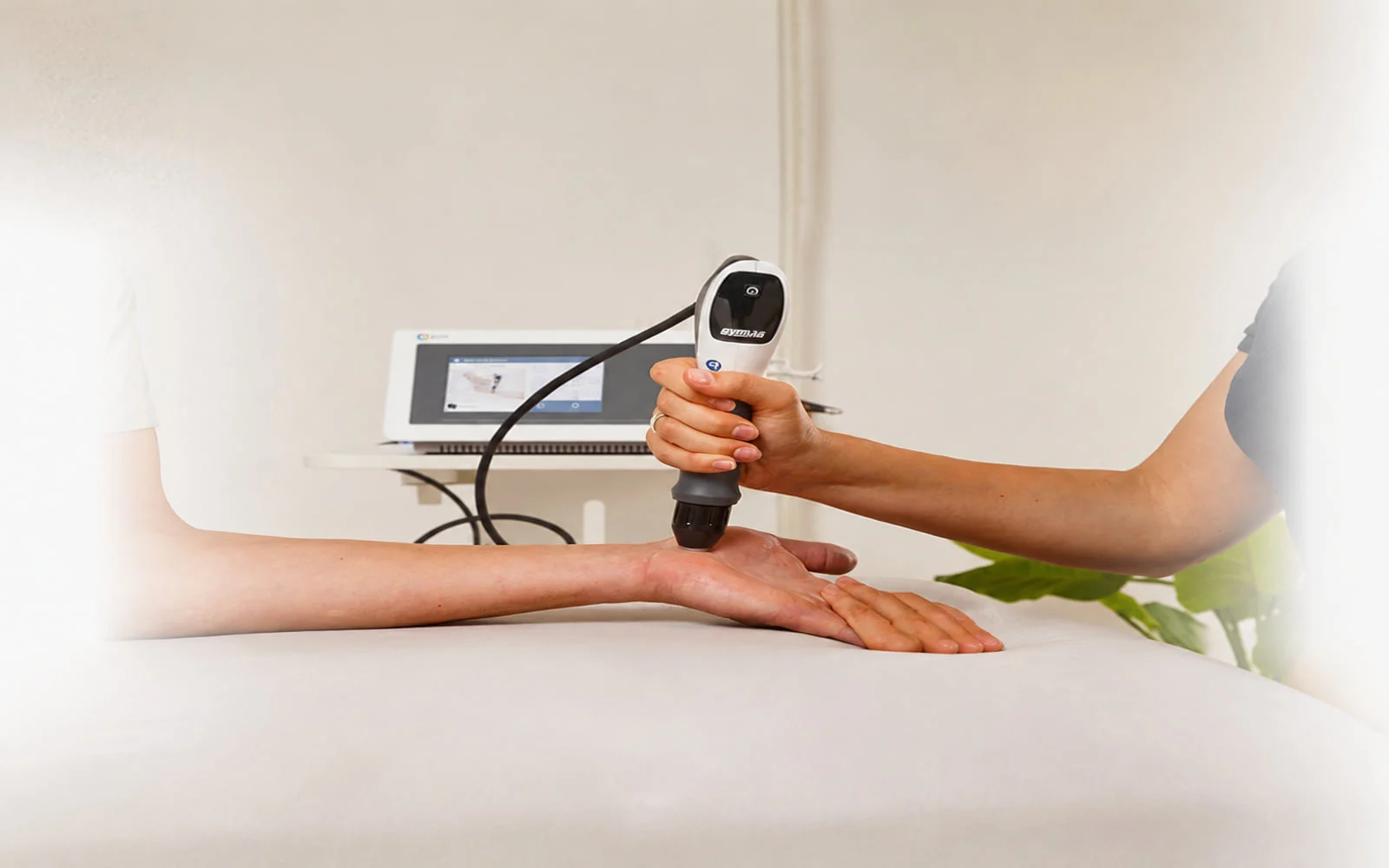
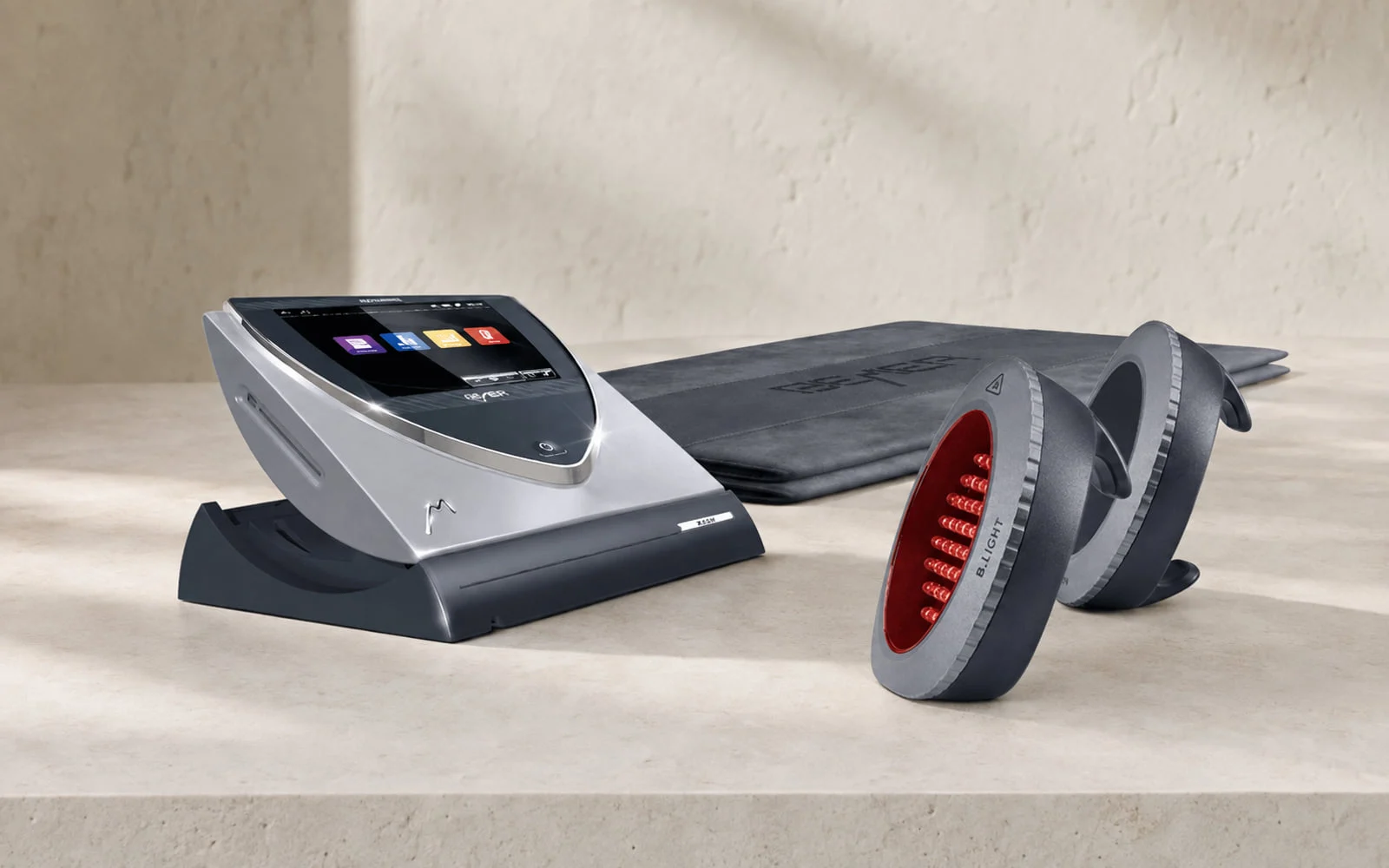
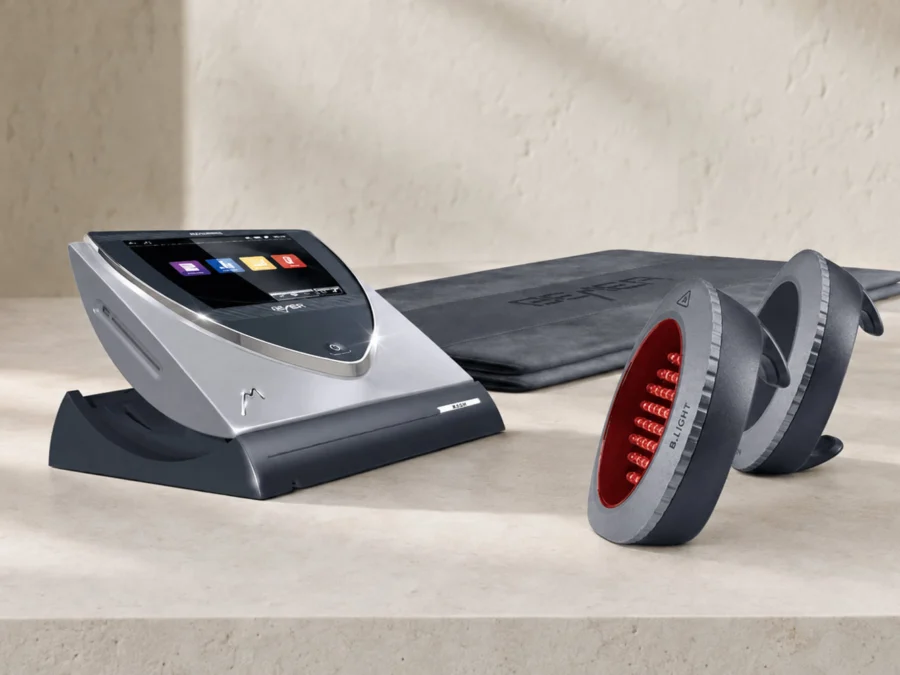
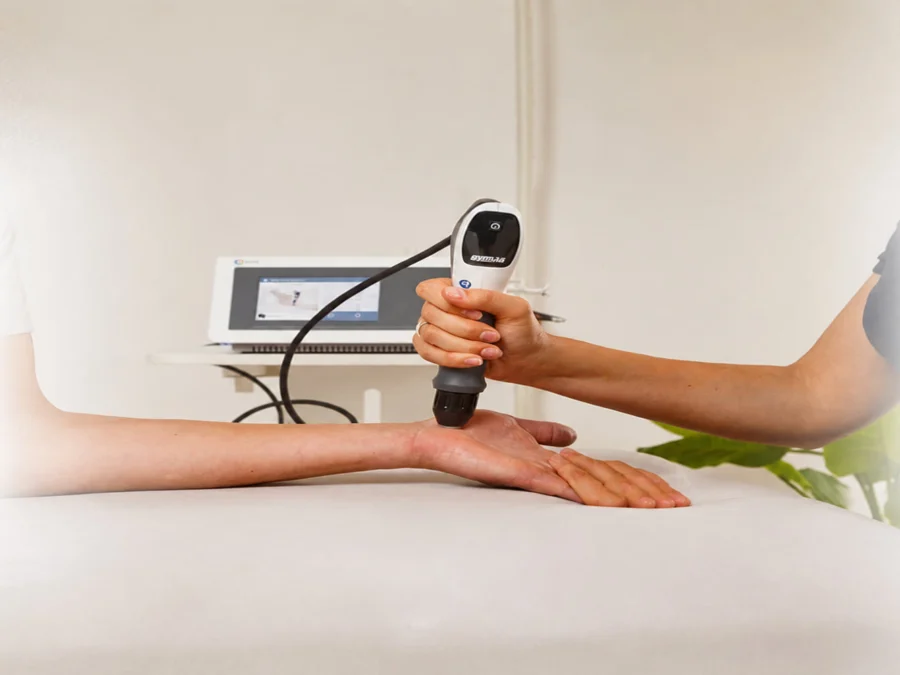
From hands-on Chiropractic to light-based therapies, explore what’s available, what a session involves and whether it may be right for you.



Not sure where to start?
Let’s talk it through.
03 The founder
Dr Jeffrey McTavish DC
BSc(Hons) MSc MCC UCA Doctor of Chiropractic, practising since 1999
“An ethos of natural medicine, good nutrition and a positive mental attitude.”
Jeffrey relocated from Canada to train at the Anglo-European College of Chiropractic in Bournemouth, graduating with an MSc in Chiropractic. He opened The Windsor Clinic in West Worthing in 1999 and has practised here ever since.
Trained in
- SOT (Sacro Occipital Technique)
- Activator Methods
- Applied Kinesiology
- Myofascial Dry Needling
- Cranial Facial Release
- Level II Thermographer
04 The evidence
Three answers we didn’t write.
Chiropractic has been examined in the clinical literature for decades. These are the findings themselves: named, dated and checkable, rather than a comfortable paraphrase of them.
-
“The effectiveness of manipulation is supported by strong evidence in 19 randomised controlled trials, and the risks of manipulation are very low in skilled hands.”
Royal College of General Practitioners Clinical guidelines for the management of acute low back pain -
Spinal manipulation delivered the best value for money of the approaches tested for low back pain in general practice: a measurable benefit at modest cost.
UK BEAM Trial British Medical Journal, 2004 -
Patients treated with Chiropractic showed greater improvement, and lost fewer working days, than those managed as hospital outpatients.
Meade et al. British Medical Journal, 1990
05 Your first visit
Your first visit,
step by step.
-
01
Consultation & health history
A proper conversation before anything else: what hurts, when it started, what you have already tried, and how the rest of your health fits around it.
-
02
Examination & thermal imaging
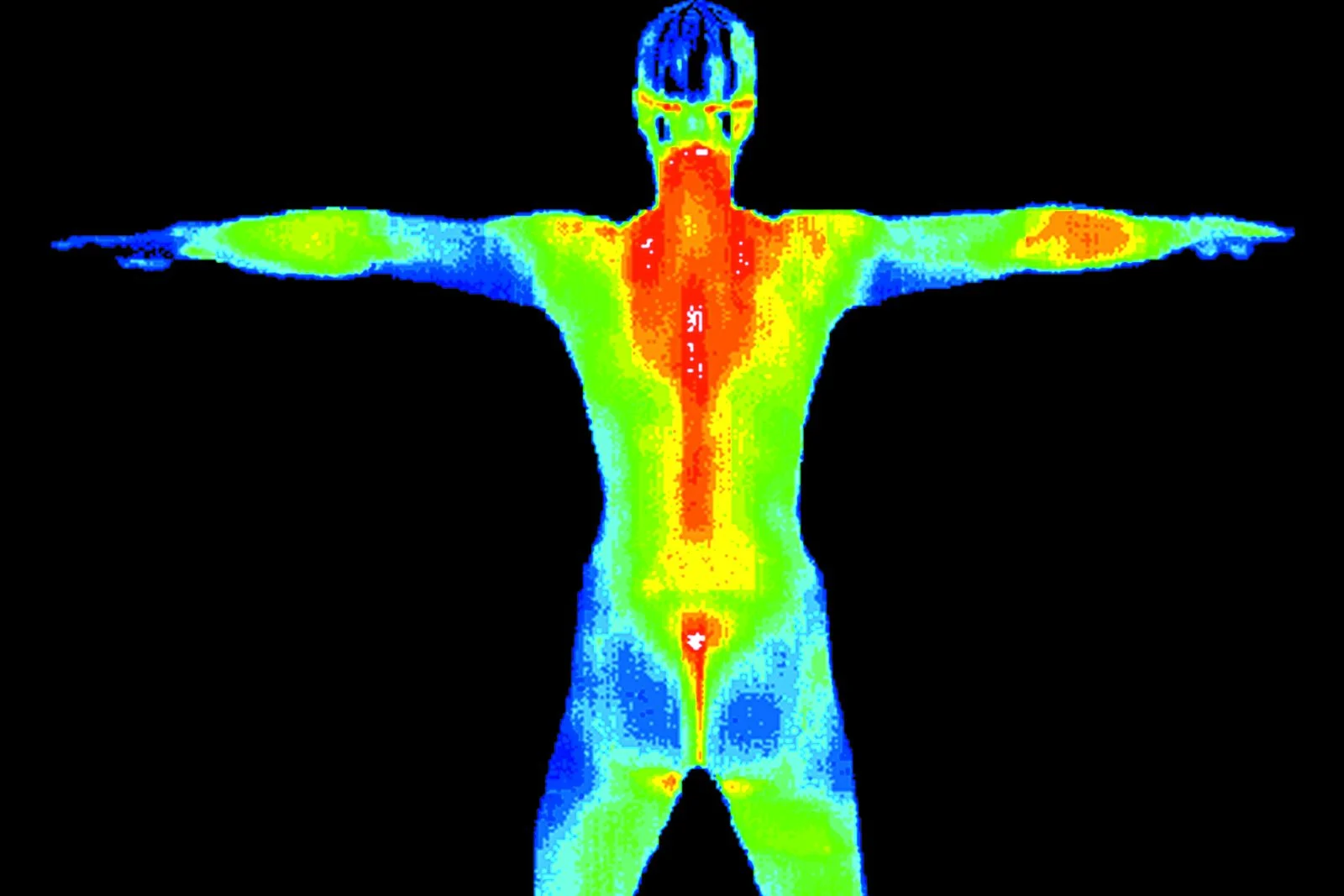
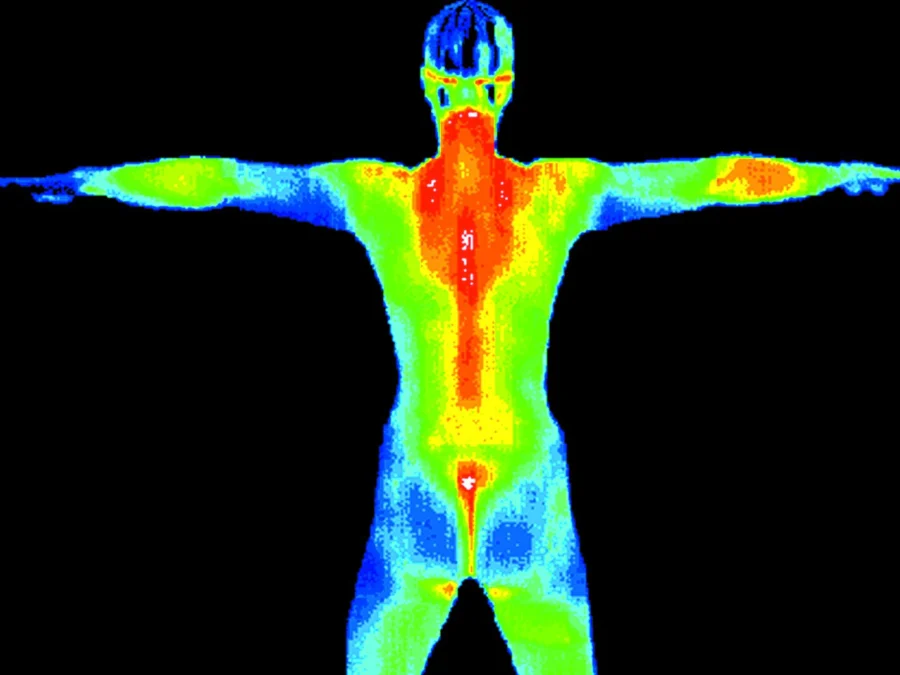
Orthopaedic, neurological and postural testing, with Digital Infrared Thermal Imaging to show what is happening beneath the surface.
-
03
Report of Findings
We sit down and go through what we found in plain English: what is causing the problem, whether Chiropractic can help, and what that would involve.
-
04
A treatment plan built for you
Care shaped around your body and your goals, drawing on whichever of the therapies actually suits the problem in front of us.
06Why care takes time
Healing isn’t a straight line.
It moves in cycles.
Every case dips and climbs on the way back rather than rising in one clean line: real improvement, the occasional setback, and gradually longer stretches of feeling well. A plan is paced around that shape, not against it.
Before care
Years of small problems compounding, with just enough temporary improvement along the way to make it easy to put off.
Settling the pain
Pain tends to ease first, and fastest — often before the mechanics behind it have changed. Visits sit closest together here.
Restoring function
The slower half of the work: movement, strength and load. Setbacks still come, but shallower and further apart each time.
Back to normal
The good stretches become the norm and visits taper off. Where it goes from there is reviewed as you go, not fixed up front.
A guide to the shape of recovery, not a forecast for yours — every case moves through these cycles a little differently.
Common questions
Before you book.
Clear answers to common questions about starting care. Have something else on your mind?
Ask the clinic-
Do I need a referral from my GP?
No. Chiropractic is a primary healthcare profession, so you can book directly with the clinic. If you intend to claim through private medical insurance it is worth checking your policy first. Some providers, BUPA among them, may still ask for a GP referral before they will authorise treatment.
-
Will treatment hurt?
Generally not. Most adjustments are comfortable, and many people feel relief straight away. Occasionally there is mild, short-term soreness afterwards (much like the ache that follows a new form of exercise), and it usually settles within a day.
-
Is Chiropractic safe?
Yes. It is non-invasive and drug-free, and serious adverse events are rare. On the published comparisons the risks sit well below those routinely accepted for anti-inflammatory medication or surgical anaesthesia. Chiropractors are also statutorily regulated by the General Chiropractic Council, which sets and enforces the standards every registrant works to.
-
Is treatment covered by my insurance?
The clinic works with Bupa and AXA. Cover varies by policy rather than by insurer, so check what your particular plan includes, and whether it requires a referral, before your first appointment.
-
Can you treat children, pregnancy and post-surgical patients?
Yes to all three. Technique and force are adapted to the person in front of us: what is appropriate for a child, for someone in the third trimester, or for a spine that has been operated on is not what is appropriate for a fit adult with an acute strain. Tell us about any surgery or complication at the consultation so the plan accounts for it.
-
Is thermal imaging a replacement for a mammogram?
No, and the clinic will not present it as one. Thermal imaging records surface temperature; it cannot detect, diagnose or rule out breast cancer, and both the MHRA and the FDA are explicit that it must not be used in place of mammography. If you are invited for NHS breast screening, go. If you have found a lump or noticed a change, telephone your GP rather than booking a scan. Breast thermal imaging is offered here as something additional for people already doing both of those, and there is a page setting out exactly what it can and cannot do.
-
How often will I need to come in?
Usually more frequently at the start, while the acute problem settles, then tapering as function improves. The schedule is set at your Report of Findings and reviewed as you go. It is not a fixed block you have to commit to up front.
Visit us
Just opposite West Worthing Train Station.
West Worthing, BN11 4SS Just opposite West Worthing Train Station
Opening hours
| Monday | Closed |
|---|---|
| Tuesday | 09:00 – 13:00, 15:00 – 19:00 |
| Wednesday | 09:00 – 14:00 |
| Thursday | 09:00 – 13:00, 15:00 – 19:00 |
| Friday | 09:00 – 13:00, 15:00 – 19:00 |
| Saturday | 09:00 – 14:00 (alternate weeks) |
| Sunday | Closed |
Book an appointment